Whispering to the Machine: Take Three
Five months after Take Two, the third snapshot. The agents work nights now, the world pushed its way into the workflow, and the most durable thing on my machine is the record.
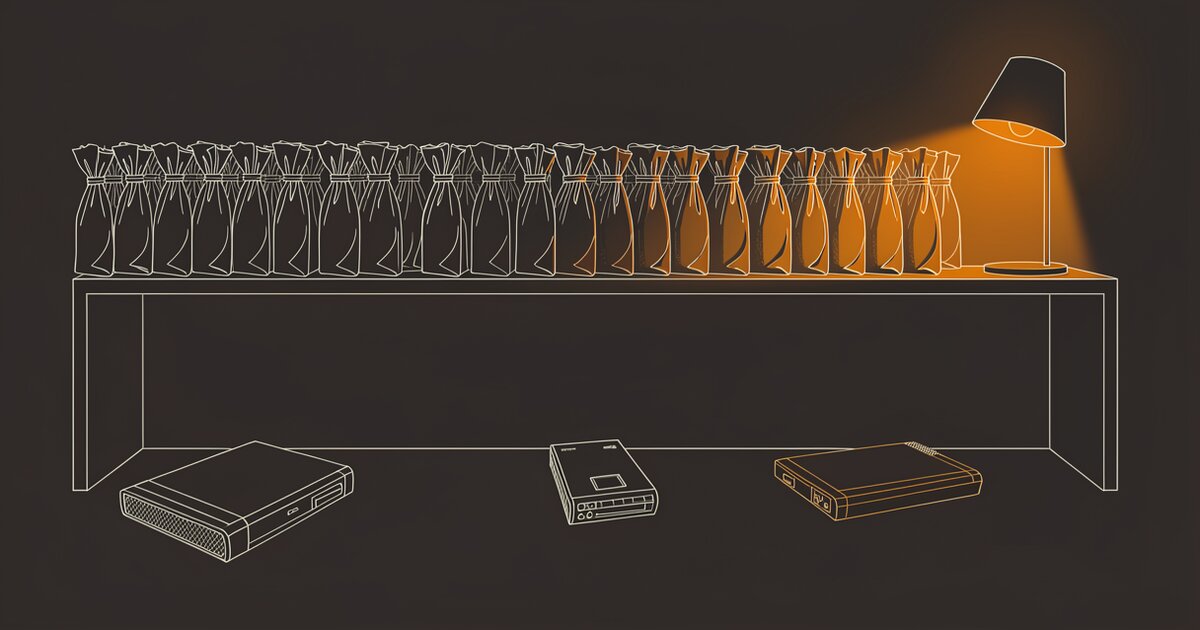
In February I ended the second installment of this series with a prediction. I said I’d write another update when the landscape shifted again, and that based on the pace, “that might be next month.”
It’s July. Five months - the longest gap since I started writing these snapshots. The first piece, in June 2025, was about learning to collaborate with a model inside an IDE. The second, in February, was about orchestrating a team of agents from a terminal. I assumed the third would be about whatever tool came next.
It isn’t. The tools kept changing, but that stopped being the story. The story of mid-2026 is that the boundary between the work and the world dissolved. The models I use daily got caught up in geopolitics. The billing changed under my feet. A war moved the price of the gas in my driveway, and the same nightly pipeline that reads my git history read the war and told me when to fill the tank. This is what living inside that feels like, written down before I forget it.
The overnight shift
The February piece opened at 6 AM with a DevOps agent and a cup of coffee. That structure feels quaint now, because the agents no longer wait for me to wake up.
Most nights I dispatch work before bed - review passes, feature branches, research sweeps - each agent in its own isolated worktree with its own task. This week a network outage interrupted an overnight run partway through. The waves restarted clean, and by morning there were eighteen pull requests parked across two waves, waiting for me. Waiting, specifically, for my judgment. Not my typing.
That inversion is the biggest structural change since February. Over the July 4th holiday I ran an audit of the whole portfolio, and it said something I already suspected: the bottleneck was never engineering capacity. It was the merge gate. It was me. So I spent that afternoon being the gate instead of guarding it - nine pull requests merged across eight repositories in an afternoon, and the backlog cleared.
My days have reorganized around that shape. Mornings are the merge queue: read what the agents built overnight, verify it, decide. Afternoons are direction: what the next wave should attempt, what needs a plan, what needs to be killed. The scarce resource in this whole system is decision latency. Every week the record hands me more evidence that the highest-leverage thing I do is decide quickly with good context, and the lowest-leverage thing I do is type. And when I do type, I don’t even type - lately I dictate through FluidVoice, an open-source voice-to-text app, and I don’t miss the keyboard.
The world stopped being background
In the first two installments, the outside world showed up as product releases. New model, new tool, adjust the workflow, keep building. Between February and now, the world showed up differently.
For about three weeks in June, the frontier model I use every day was switched off. Not deprecated - switched off, globally, under a US export-control directive. It came back at the start of July, under an arrangement in which future frontier models get government review before public release. OpenAI’s newest frontier models rolled out the same way, gated first to government-approved partners. Whatever your politics, the fact on the ground for a builder is new: the permission slip is now part of the stack.
The economics moved in the same window. The top model tier went metered in July - ten dollars per million tokens in, fifty out - which means an overnight agent wave is no longer a flat-rate abstraction. It’s a bill. So I route deliberately now: frontier models for frontier problems, cheaper models for mechanical work, local models for the nightly record. Model routing used to be a preference. It’s a budget line now.
And while the closed frontier was busy with governance, the open one closed the distance. OpenAI released open-weight models under an Apache license. Thinking Machines shipped a 975-billion-parameter open multimodal model. Moonshot’s Kimi K3 - 2.8 trillion parameters - is slated to drop before the month is out. The daily brief I read on July 21st described the open-weight gap as structurally collapsed. Eighteen months ago “local model” meant a toy. Now it means an eval I need to schedule.
Agents became world actors too, and not only benevolent ones. This month’s record includes an autonomous agent breaching a major model-hosting platform, and ransomware that adapts to failure in real time without a human operator. I read those items the same week I was merging agent-written pull requests by the dozen. Both things are true at once. That’s 2026: one capability curve running under both columns of the ledger.
The brief on the kitchen table
Here’s a thing I did not predict when I started writing these: the pipeline that synthesizes my work record now synthesizes the world too, and the household runs partly on its output.
Every day a brief lands - synthesized on my own machine from a set of intelligence streams, each claim carrying a source index so I can walk it back to the original reporting. Four lenses: frontier AI, the market around the products I build, geopolitics as it touches the household, and a long-cycle macro lens. It reads like a newspaper written for an audience of one, because that’s what it is.
The geopolitics lens earned its keep this summer. A ceasefire signed on June 17th ended a war. By early July it was collapsing. By mid-July the Strait of Hormuz was effectively closed, and this week a second chokepoint closed behind it. Brent went from the low seventies to above ninety in about three weeks. In Nashville, the gas price climbed from around three dollars to $3.61. None of that stays abstract when the last bullet of the brief is an instruction to fill both cars before Monday’s repricing.
It would be easy to make this sound grim or paranoid, and it’s neither. The brief is a filter, not a mood. Five bullets, and each one either ends in a small concrete action or it ends in nothing and I move on with my day. The alternative isn’t serenity. It’s doomscrolling the same events without the filter.
Sometimes the world reaches your desk personally. The wearable pendant I used for capturing conversations died earlier this year, and normally you’d just buy another - but the company behind it had been acquired by Meta and the product was being wound down, so there was no other one to buy. In late June I ordered an open-source replacement. My data came with me, because I had exported it while the export window was still open.
The night shift
While the world got louder, the stack underneath my own record got quieter.
Every night, while the cloud agents build, two local models on my Mac Studio do something more modest: they read back everything I said to the machines that day.
Here is the mechanism, concretely, because people don’t picture it. Every AI conversation I have leaves a transcript on disk - the Claude Code sessions, the Cursor chats, Gemini, Codex, OpenAI. By midnight there might be dozens. A 12-billion-parameter Gemma reads each one and digests it down to what actually happened. A 35-billion-parameter Qwen takes the digests and synthesizes the whole day into a single record - a narrative, the decisions with the why still attached, lessons, what to tackle next. The next morning it is waiting for me. A full day of whispering to the machine, given back as a page I can keep. And none of it leaves the house: it runs on my hardware, over my files, at a marginal cost of zero, and it does not care what happened to anyone’s API terms that week.
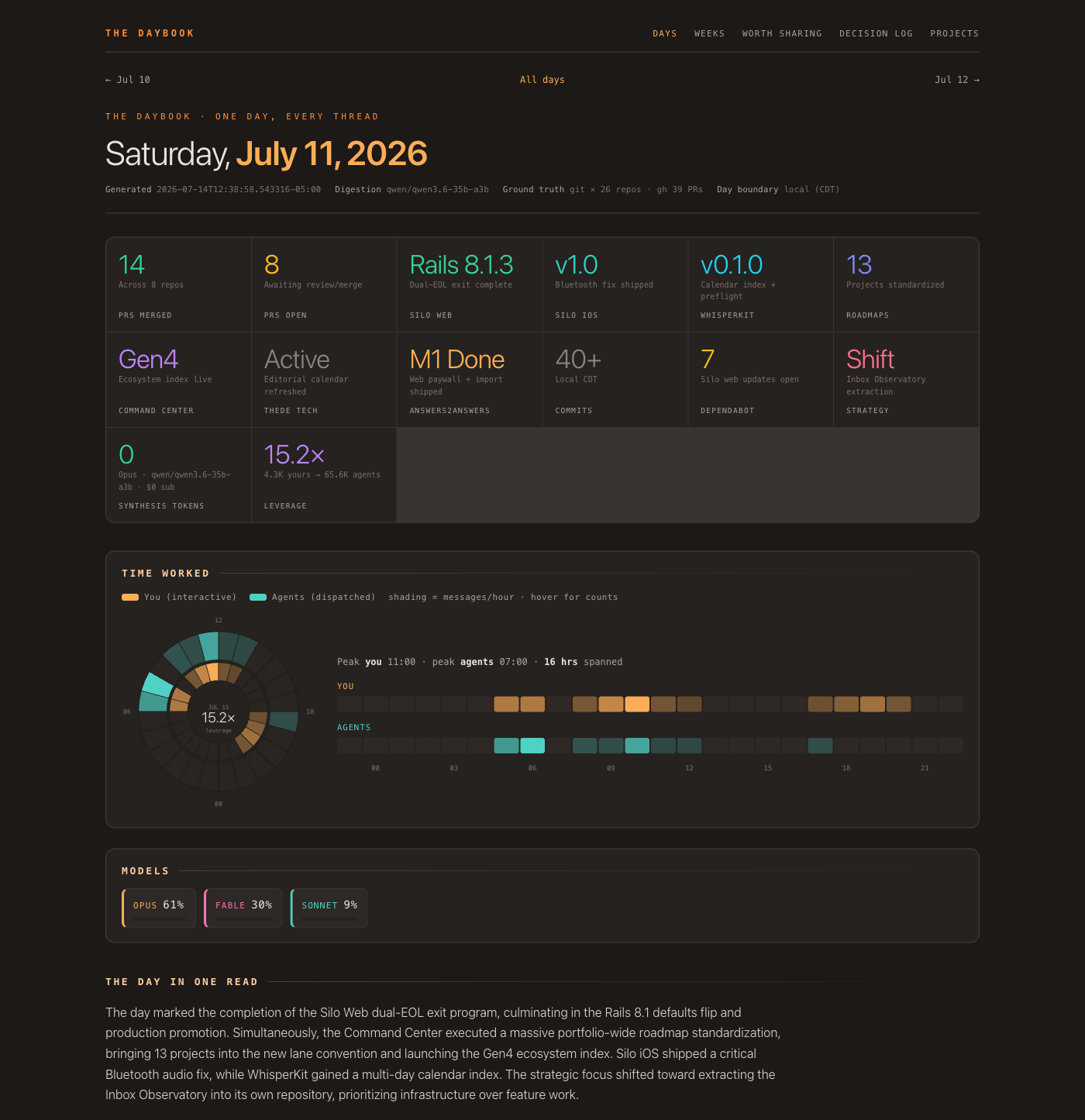
The archive it feeds now reaches back further than the pipeline itself: 349 daily records going back to August 24, 2024, plus 54 weekly reviews, each carrying lessons learned forward into the next week. When I want to know what actually happened in a given week - not what I remember happening - I read the record. Memory disagrees with the record more often than I’d like to admit.
I should say plainly what I am and am not claiming, because “local-first” has become a flag people wave. I am not all-local, and I don’t expect to be. The agents doing the heavy building are cloud models. For frontier work the cloud is still better than anything on my desk, and it isn’t close. The thesis I’m testing is narrower: the private, repetitive, durable synthesis of your own record is work your own hardware can do now, at effectively no marginal cost, with no permission slip involved. Every month of nightly runs is another data point. So far the thesis is holding.
Forty-seven years of letters
My dad has been writing the same letter since 1979. 3,111 installments across forty-seven years - the family’s running record of who visited, what broke, what got planted, what the year did to us. He writes it and he sends it, and he keeps doing it through every technology shift that was supposed to make letters obsolete.
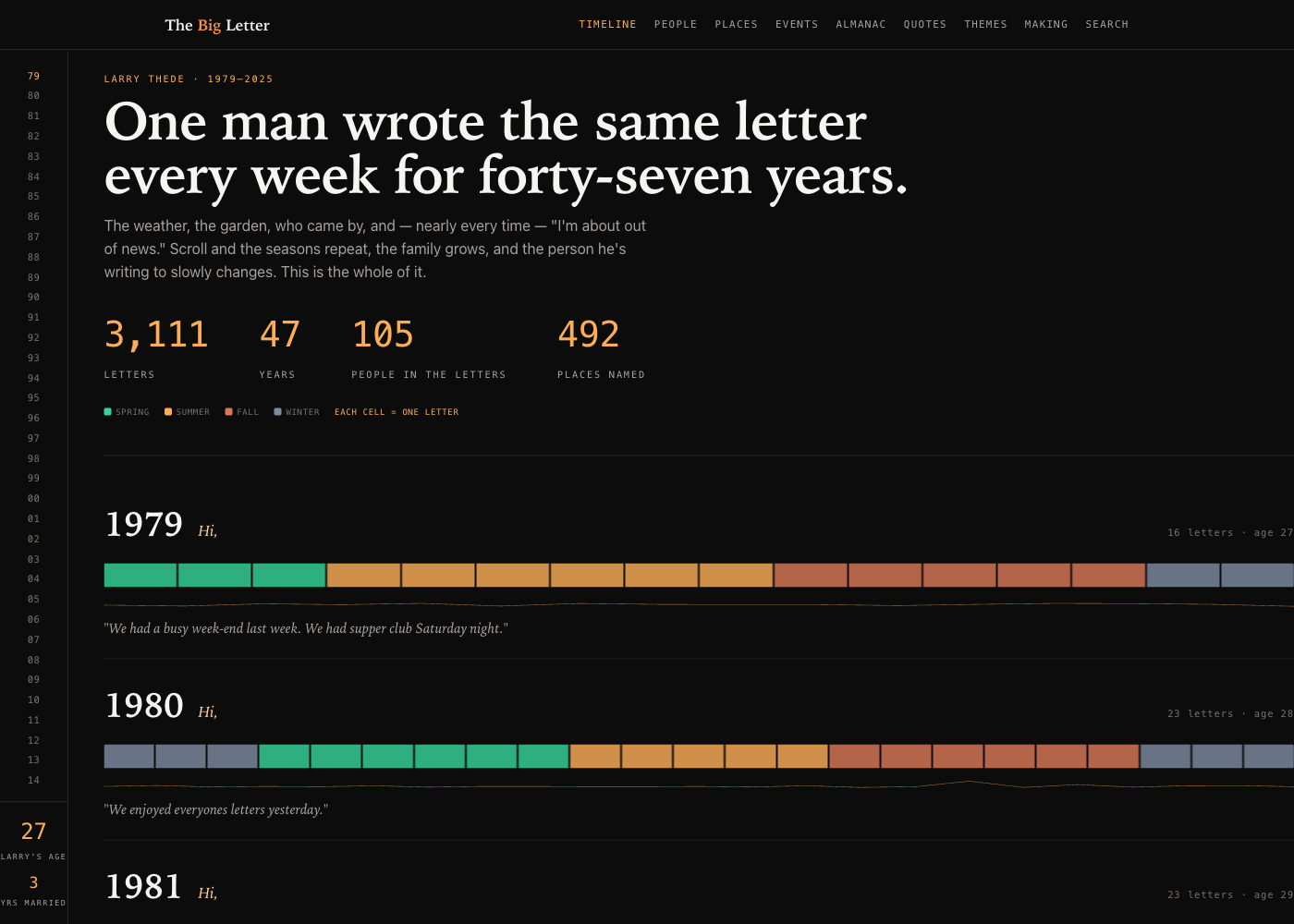
In July his corpus got a home of its own: a private reader, behind a family allowlist, where the whole run is browsable - every letter a cell on one long seasonal grid, cross-indexed against the 105 people and 492 places that appear in them. Nearly every installment signs off the same way: “I’m about out of news.” He never was. A 50th-anniversary hub built from the family archive shipped alongside it. None of this is product work. It’s inheritance work.
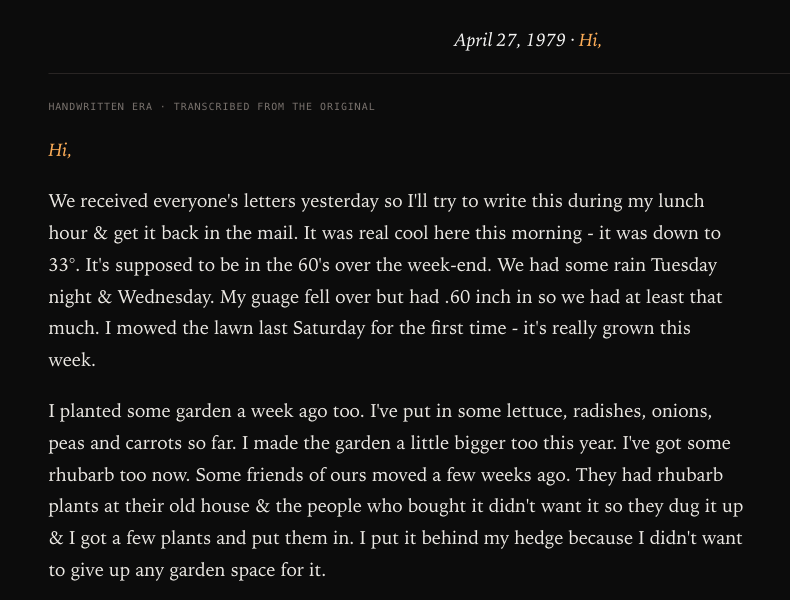
What I take from my dad isn’t just the letters. It’s the demonstration that a record kept steadily, without drama, for decades becomes the most valuable thing in the family that isn’t a person. He built his in the medium of his generation. Mine is markdown and YAML instead of typed pages, and models help me keep it, but it’s the same act, aimed at the same reader: somebody, someday, who wants to know what it was actually like.
What a snapshot is for
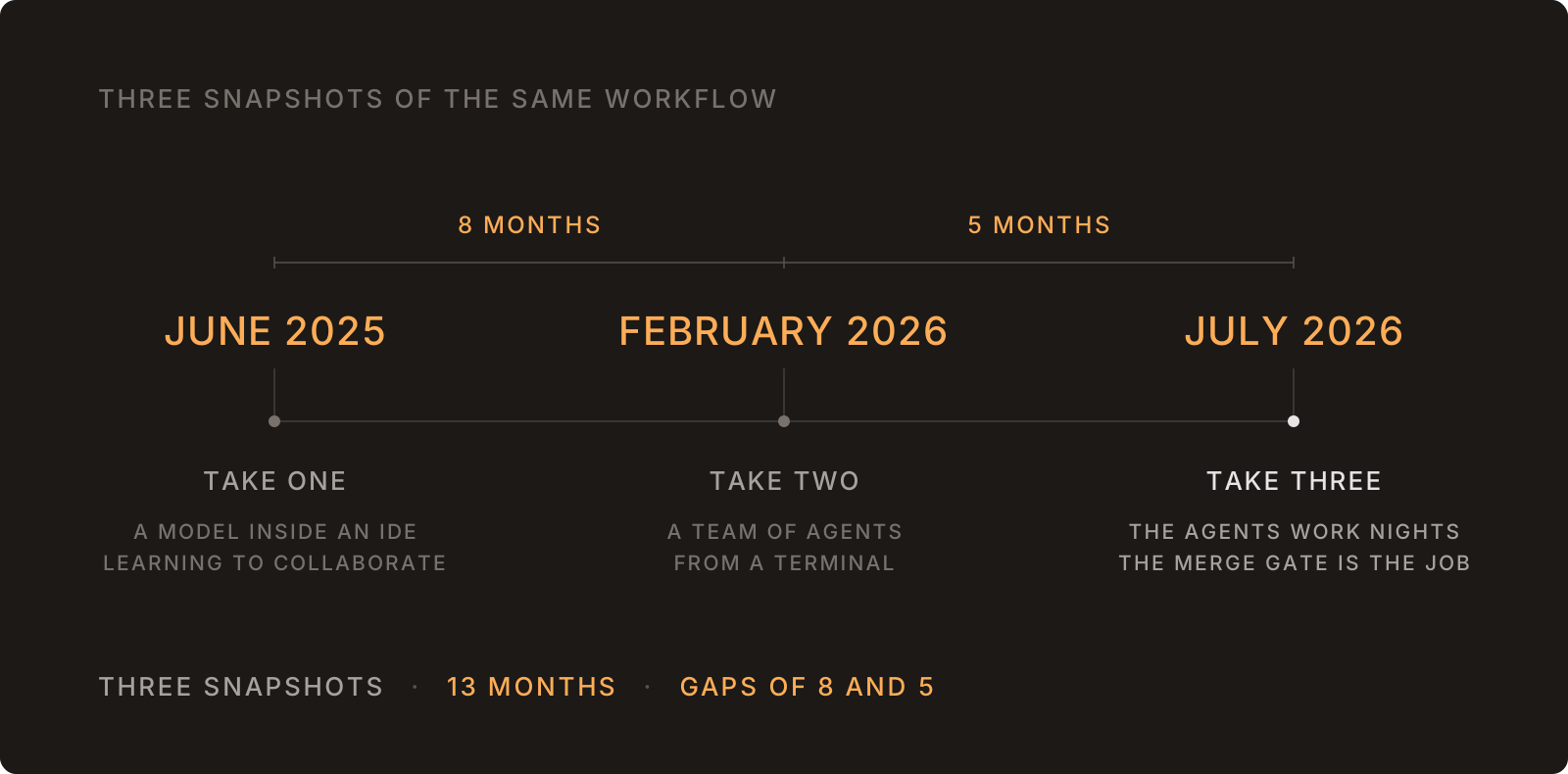
The gap between the first two pieces was eight months, and I wrote at the time that it might as well have been a decade. This gap was five months, and the change is larger: agents that work while I sleep, a frontier that ships with government review, open weights within reach of the closed labs, a household that consumes synthesized intelligence next to the coffee.
I don’t write these to hand out advice, though the earlier ones tried. I write them because the present becomes unrecoverable faster than it used to, and a snapshot is the only instrument that catches it. I have 349 mornings of evidence that the record beats memory.
So here is the snapshot, July 2026: the agents work nights. The merge gate is the job. The frontier is metered, governed, and being chased hard by open weights. The world is loud enough that it arrives through the same pipe as the work. And the counterweight to all of it is the record. It doesn’t move when a model gets suspended or a price triples. Keep the record.
This is the third installment in a series: Whispering to the Machine (June 2025) and Take Two (February 2026). I’d tell you when the fourth is coming, but I’ve been wrong twice about the pace. I’ll know it when I’m living in it.